.png)





Most MSPs do not have a lead problem. They have a conversion problem.
Leads come in from referrals, Google Business Profile, paid ads, local SEO, webinars, and vendor partnerships. But the moment a prospect raises their hand, the process gets inconsistent. Response times vary, discovery calls are unstructured, follow-ups depend on memory, and pricing is presented before the value is clear. The result is a funnel that leaks. You spend to generate demand, then lose deals you could have won.
At MSP Launchpad, we see one pattern repeatedly: the MSPs that grow fastest are not the ones with the most leads. They are the ones with the cleanest path from interest to signed agreement. That path is your funnel, and it needs two things working together: lead qualification and a clear sales funnel strategy, supported by ongoing sales funnel optimization.

Why MSP funnels break even when the leads are good
A sales funnel is not just “marketing sends, sales closes.” For an MSP, it is a sequence of micro-decisions a buyer makes while reducing risk. When the funnel breaks, it is usually because one of these issues is happening:
- The first response is slow, vague, or overly technical.
- Discovery is treated like a chat instead of a diagnosis.
- The buyer does not understand what changes after signing.
- Proposals look like a menu of tools, not a business outcome.
- Follow-up is random, and the prospect cools off.
If you want more signed clients without doubling ad spend, fix the middle of the funnel. That is where trust is built, and decisions are made.
Sales funnel strategy for MSP lead qualification
A strong sales funnel strategy starts with defining what a “good lead” actually means for your MSP. Lead qualification is not about being picky. It is about protecting your time and giving the right prospects a better buying experience.
Start by deciding your qualification criteria in four buckets:
1. Fit
Industry, company size, compliance needs, location, device count, and tech stack. If you specialize, be honest about it. Specialists convert faster because they sound certain.
2. Pain and urgency
What is the business impact? Security risk, downtime, failed audits, internal IT overload, or growth strain. Urgency is not “we need IT.” Urgency is “we cannot operate like this next quarter.”
3. Authority and process
Who decides, how decisions are made, and what approvals are required. MSP deals stall when you only talk to the person who feels the pain but cannot sign.
4. Budget reality
You do not need a number on the first call, but you do need a range and a readiness check. If your minimum is $2,500 per month, qualify for that outcome early.
A simple rule helps: qualify for the next step, not the final close. Your first call is about earning a deeper discovery, not pushing a proposal.

How to map your funnel stages the MSP way
Many funnels are copied from SaaS playbooks, but MSP buying is different. It is higher trust, higher switching cost, and is often triggered by risk.
Here is a practical funnel that fits most MSPs:
- Inquiry and speed-to-lead
- Quick qualification call
- Deep discovery and risk review
- Solution alignment and scope confirmation
- Proposal and decision process
- Close and onboarding handoff
Each stage needs a clear goal, exit criteria, and next-step commitment.
For example, the goal of a qualification call is not “tell them about your company.” It is to confirm fit, pain, timeline, and decision path, then schedule a structured discovery.
If your team cannot explain what must be true to move a lead forward, your funnel will stay inconsistent.
Sales funnel optimization that improves close rates
Sales funnel optimization is the ongoing habit of tightening each stage so fewer leads drop off and more reach a decision with confidence. You do not need complex tools to start. You need visibility and consistency.
Focus on these high-impact improvements:
Speed and clarity in first response
Reply fast, but more importantly, reply well. Your first message should confirm you understand the request, state what happens next, and set a short time window to book.
Example: “Thanks for reaching out. The next step is a 10-minute call to confirm fit and urgency, then we schedule a deeper assessment. Are you available Tuesday morning or Wednesday afternoon?”
Short, specific, and action-based.
Structured discovery, not casual conversation
Your discovery should uncover operational risk, financial impact, user experience, and leadership priorities. If you only talk about tools, you become a commodity.
Ask questions like:
- What happens if this is not fixed in 90 days?
- How does downtime affect customers or revenue?
- What is leadership most worried about right now: security, productivity, compliance, or scalability?
Then mirror back the story in the prospect’s words.
Proof that matches their fear
MSP prospects buy to reduce risk. Use proof that addresses the risk they feel. If the buyer is worried about ransomware, share a short security win. If they are worried about chaotic support, share response time outcomes.
Keep proof simple: one situation, one action, one result.
Propose the “plan,” not the “price.”
A proposal should read like an implementation roadmap with outcomes, not a bundle of line items. Lead with business impact, show scope clearly, and explain what changes in the first 30 days.
Lead qualification questions that uncover real buying intent
A common mistake is asking qualifying questions that are too surface-level. MSP buyers can answer “How many users?” without revealing whether they are serious.
Use questions that expose intent:
- What triggered the search for an MSP right now?
- What is the cost of leaving things as they are?
- Have you switched providers before? What went wrong?
- What does a successful IT partner look like to you?
- Who else needs to be involved for a decision?
Then add one question that protects your time:
- If we find clear gaps, are you open to making changes this quarter?
That one line filters out tire-kickers without sounding aggressive.
How to build a follow-up that does not feel pushy
Most MSP deals are not lost to competitors. They are lost to silence. Follow-up fails because it is either too generic (“Just checking in”) or too frequent without value.
Make follow-up part of your sales funnel strategy:
- Set a next step on every call. A calendar invite is better than a promise.
- Send a recap within 2 hours. Include the problems you heard, the agreed next step, and the date.
- Follow up with assets that match their stage, like a one-page onboarding timeline, a security checklist, or a short case story.
A simple cadence that works:
- Day 0: recap + next step
- Day 2: insight relevant to their pain
- Day 5: short check-in with two time options
- Day 10: decision clarity message (“Should I close your file or is this still active?”)
This style feels respectful because it is clear and time-bound.
The metrics that show where your funnel is leaking
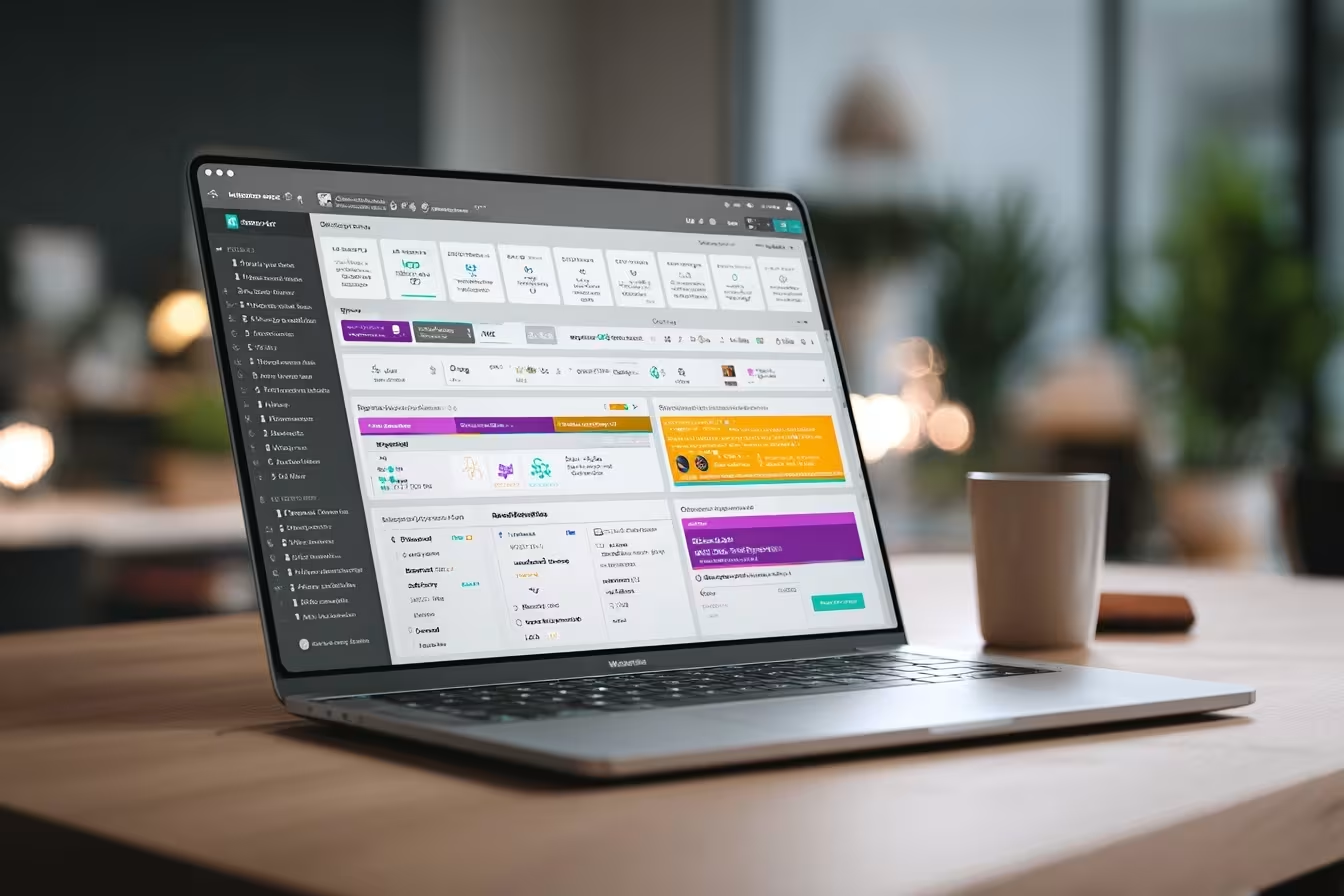
Sales funnel optimization gets easier when you track a few numbers consistently. You do not need a complicated dashboard. Start with these:
- Speed-to-lead: time from inquiry to first human response
- Qualification rate: % of inquiries that become discovery calls
- Show rate: % of booked calls that happen
- Proposal rate: % of discovery calls that receive a proposal
- Close rate: % of proposals signed
- Cycle length: days from inquiry to close
If your show rate is low, fix booking confirmation and reminders. If your proposal rate is low, your discovery is likely weak, or your offer is unclear. If your close rate is low, your proposal story and decision path need work.
Final thoughts
A funnel is not a script. It is a repeatable buyer journey you control. When you combine lead qualification with a defined sales funnel strategy, you stop wasting time on poor-fit leads and start guiding the right prospects to a confident decision. Then sales funnel optimization becomes a monthly habit: review where leads drop, tighten one stage, and watch conversion improve without increasing ad spend.
If you want MSP growth that feels steady instead of stressful, start with the funnel. Demand generation is only half the job. The rest is structure.
FAQs
What is lead qualification for MSPs, and why does it matter?
Lead qualification is the process of confirming fit, urgency, authority, and budget before investing heavy time in discovery and proposals. It matters because it protects your team’s time and improves conversion by focusing on prospects who can realistically become long-term clients.
How does a sales funnel strategy help convert more MSP leads?
A sales funnel strategy creates consistent stages with clear goals and exit criteria, so every lead gets the same high-quality experience. It prevents stalled deals, improves follow-up, and makes it easier to move prospects from interest to a signed agreement.
What are the best sales funnel optimization steps for an MSP?
The fastest wins usually come from improving first-response speed, standardizing discovery, strengthening proof and proposal structure, and building a value-based follow-up cadence. Track a few funnel metrics monthly and optimize the stage with the biggest drop-off.
Where should sales funnel optimization start if close rates are low?
Start with discovery and proposal alignment. Low close rates often mean the buyer did not feel the risk clearly, did not see a plan, or did not understand the decision process. Improve your discovery questions, recap messaging, and proposal narrative before changing pricing.
How can MSP Launchpad help with lead qualification and funnel performance?
MSP Launchpad helps MSPs implement repeatable lead qualification workflows, tighten their sales funnel strategy, and prioritize sales funnel optimization actions that raise conversion rates and reduce wasted sales time.

%20(1).avif)
.svg)