.png)





What Is an MSP -- And Why Every Business Needs to Know
An MSP (Managed Service Provider) is a company that remotely manages and maintains IT infrastructure, cybersecurity, and technology support for businesses on a subscription basis. MSPs handle everything from network monitoring to endpoint security, allowing companies to outsource complex IT management while reducing costs and improving reliability compared to in-house IT teams.
I've worked with 150+ MSPs across four countries, and the transformation I see in their client businesses is remarkable. Companies that switch from break-fix IT support to managed services typically see 40-60% fewer IT incidents and significantly lower technology costs.
According to Canalys, 28% of managed service providers are expected to grow by over 20% by 2025. That growth reflects a fundamental shift: businesses are realizing they can't afford to handle complex IT internally anymore.
- MSPs provide proactive monitoring instead of reactive break-fix support
- They offer predictable monthly costs rather than surprise emergency bills
- Most MSPs specialize in specific industries or company sizes (typically 20-200 employees)
- They use Remote Monitoring and Management (RMM) tools to track system health 24/7
The MSP model works because it aligns incentives. When MSPs get paid monthly, they're motivated to keep systems running smoothly rather than profiting from problems.
Key Takeaway: MSPs transform unpredictable IT costs and downtime into manageable monthly expenses with proactive support that prevents problems before they impact your business.
What Is an MSP Company -- And How to Know If You Need One
An MSP company delivers comprehensive IT management services including cybersecurity, cloud management, help desk support, and strategic technology planning for businesses that lack internal IT expertise. These companies typically serve small to mid-sized businesses with 20-200 employees who need enterprise-level IT capabilities without hiring full-time technical staff.
Here's what I tell business owners: if you're spending more than 10 hours per week dealing with IT issues, or if a single server failure would shut down your business for more than four hours, you need an MSP.
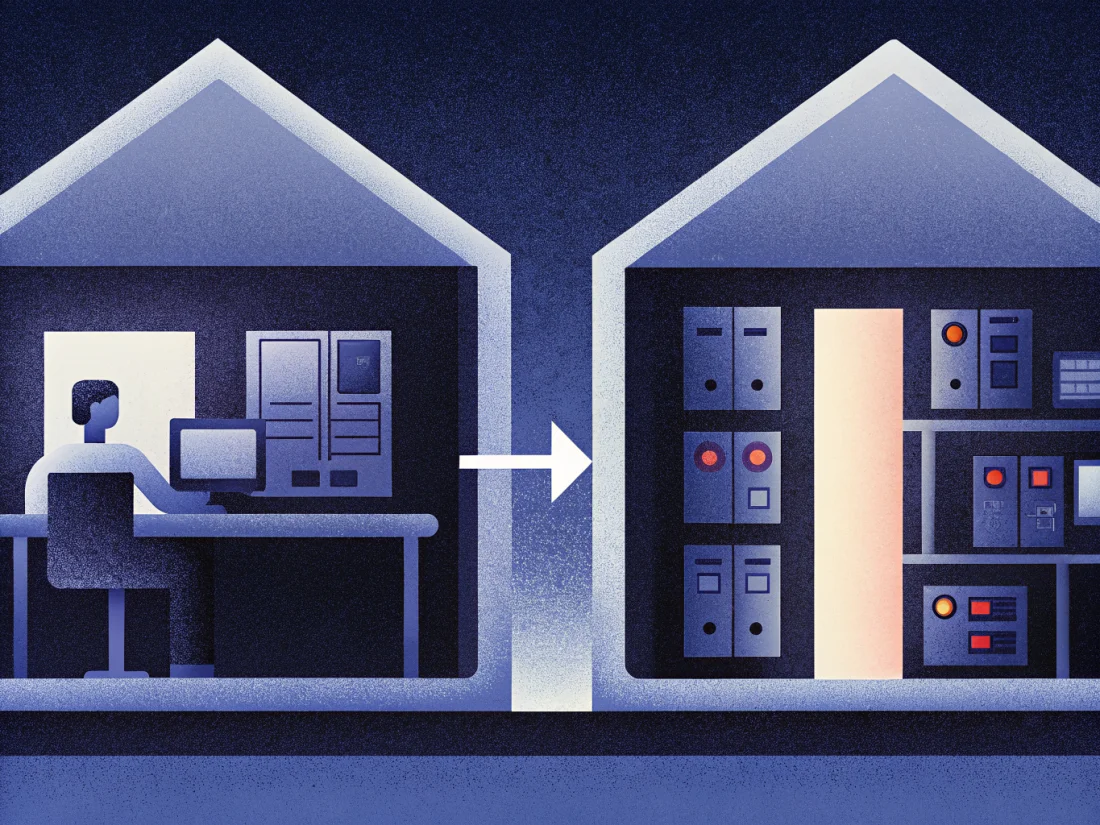
The numbers are compelling. CompTIA's IT Industry Outlook shows that businesses using MSPs report 23% less downtime and 19% lower total IT costs compared to companies managing IT internally.
Signs You Need an MSP Company
- Your current IT person is overwhelmed or becoming a single point of failure
- You're reactive to technology problems instead of preventing them
- Cybersecurity feels like a mystery your team can't solve
- You want to focus on growing your business, not managing servers
From my experience, the sweet spot for MSP clients is companies with 15-70 endpoints. Smaller than that, and you might get by with basic IT support. Larger than that, and you probably need a hybrid model or internal IT team working alongside an MSP.
The best MSP companies don't just fix problems - they become strategic partners who help you leverage technology for competitive advantage.
Key Takeaway: You need an MSP company when IT problems are consuming management time and creating business risk that you can't afford to ignore.
Who Are MSPs -- And Why Every Business Needs to Know
MSPs are technology professionals who have evolved from traditional computer repair shops into sophisticated service providers offering comprehensive IT management, cybersecurity, and strategic technology consulting. Modern MSPs typically employ certified engineers, maintain partnerships with major technology vendors, and serve specific market segments with specialized expertise and industry knowledge.
The MSP landscape has changed dramatically. Ten years ago, most MSPs were glorified computer repair shops. Today, the successful ones are strategic technology partners with deep expertise in cybersecurity, cloud infrastructure, and compliance.
Based on my work with MSPs nationwide, I see three distinct categories emerging:
- Generalist MSPs: Serve 100-500 clients across various industries with standardized service offerings
- Vertical specialists: Focus on specific industries like healthcare, legal, or manufacturing with deep compliance expertise
- Enterprise co-managed providers: Work alongside existing IT teams at larger companies to fill skill gaps
Channel Futures reports that 67% of MSPs now offer cybersecurity as their primary differentiator, up from 23% just five years ago. This shift reflects the growing sophistication of both the threats businesses face and the MSPs protecting them.
The human element matters enormously in this industry. When I evaluate MSP websites, I always look for business owner photos and team profiles. Prospects want to see the actual people who'll be managing their critical systems. MSPs below $50 million in revenue often neglect this personal branding, but the successful ones understand that technology services are ultimately about human relationships and trust.
Key Takeaway: Modern MSPs are strategic technology partners, not just IT support providers, and the best ones combine deep technical expertise with strong relationship-building skills.
What Is an IT MSP -- And Why Your Business Might Need One
An IT MSP specifically focuses on information technology infrastructure management, including network administration, server maintenance, endpoint security, backup systems, and help desk support for businesses. Unlike general technology consultants, IT MSPs take full responsibility for maintaining and monitoring client technology environments through dedicated technical teams and sophisticated monitoring tools.
The distinction matters more than you might think. I've seen businesses work with "technology consultants" who provide advice but don't take responsibility for outcomes. IT MSPs are different - they're accountable for keeping your systems running.
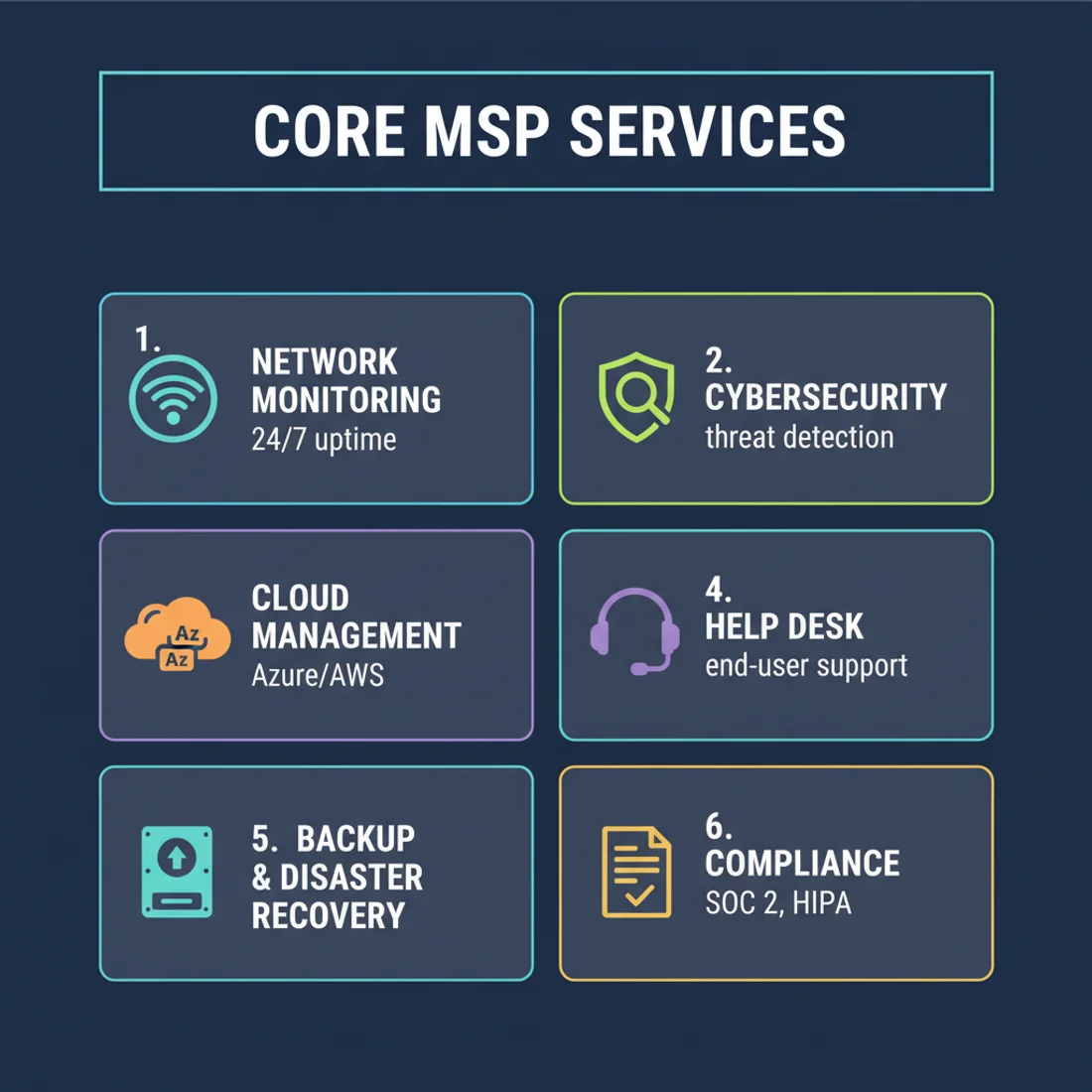
IT MSP ModelTraditional IT SupportProactive monitoring 24/7Reactive break-fix when problems occurFixed monthly costsUnpredictable hourly billingComprehensive cybersecurityBasic antivirus and firewallStrategic technology planningTactical problem-solving only
Datto's 2024 Global State of the MSP Report found that businesses working with IT MSPs experience 47% fewer security incidents and recover from outages 60% faster than those relying on internal IT staff alone.
The key differentiator is the technology stack. Professional IT MSPs use RMM platforms, PSA systems, and security operations centers that most internal IT teams simply can't afford or don't have expertise to manage effectively.
Key Takeaway: IT MSPs provide enterprise-level technology management and security that most businesses can't achieve internally, with accountability and predictable costs that traditional IT support can't match.
What Are MSPs in Tech -- And Why Every Business Needs One
MSPs in tech are specialized service providers who manage complex technology environments for businesses, handling everything from cloud infrastructure and cybersecurity to compliance and disaster recovery. These providers use advanced monitoring tools, automation platforms, and certified technical expertise to deliver enterprise-grade IT services that most companies cannot economically maintain in-house.
The technology landscape has become impossibly complex for most businesses to navigate alone. I regularly see companies trying to manage their own Microsoft 365 environments, cloud backups, and security tools - and failing miserably.
Consider the typical technology stack a modern business needs: endpoint detection and response, network monitoring, backup and disaster recovery, patch management, vulnerability scanning, compliance reporting, and user training. That's easily $50,000+ in licensing costs alone, before you factor in the expertise needed to configure and maintain these systems.
MSPs in tech solve this through economies of scale. They spread these costs across hundreds of clients while employing certified engineers who specialize in specific technology stacks.
Kaseya's research shows that businesses partnering with technology-focused MSPs see 35% improvement in system uptime and 52% reduction in security-related incidents within the first year.
- Cloud migration and management expertise that prevents costly mistakes
- 24/7 security operations centers monitoring threats in real-time
- Compliance frameworks for HIPAA, SOC 2, and industry-specific requirements
- Disaster recovery testing and validation most companies skip
The reality is harsh: MSPs are the most tech-savvy people in their markets, but when they try to outsource marketing or other services, they often work with under-equipped agencies. That same dynamic applies to businesses trying to manage complex technology internally.
Key Takeaway: MSPs in tech provide access to enterprise-level technology expertise and tools that are economically impossible for most businesses to maintain internally while ensuring systems stay current with rapidly evolving threats and opportunities.
What Is MSP Meaning -- And Why It Matters for Your Business
MSP meaning encompasses the evolution of technology services from reactive problem-solving to proactive business enablement, where managed service providers become strategic partners responsible for technology outcomes rather than just technical support. The meaning reflects a fundamental shift toward subscription-based, outcome-focused IT services that align provider success with client business results.
The meaning behind MSP has shifted dramatically over the past decade. It's no longer just about "managing services" - it's about taking responsibility for technology-driven business outcomes.
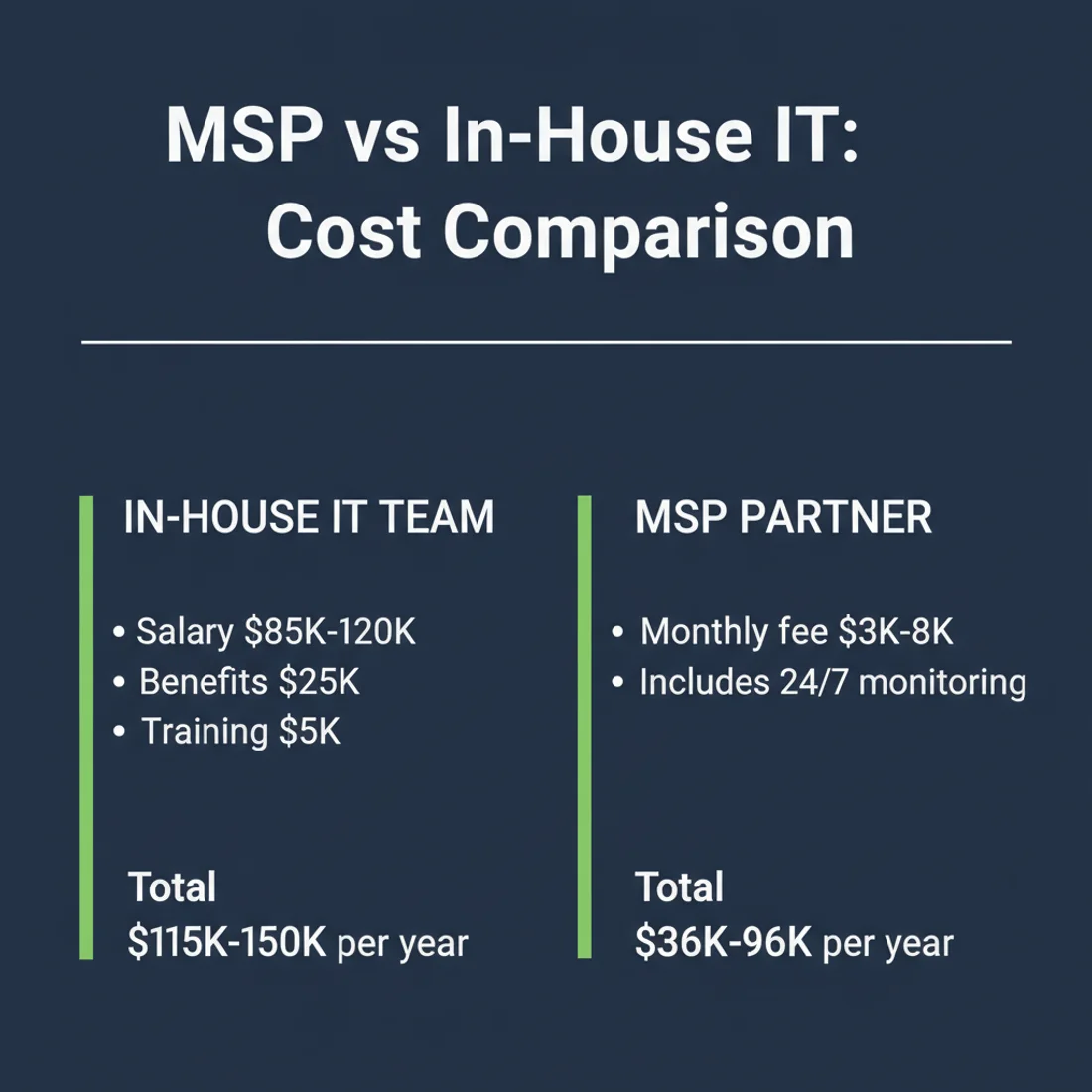
When I work with MSPs on their positioning, I emphasize this evolution. The old meaning was technical: "We'll manage your servers and fix your computers." The new meaning is strategic: "We'll ensure technology drives your business forward while eliminating IT-related risks."
This shift matters because it changes the conversation from cost to value. According to ConnectWise's Partner Success Report, MSPs who position themselves as strategic business partners command 43% higher margins than those still operating as technical support providers.
The deeper meaning also relates to accountability. Traditional IT vendors sell products and walk away. MSPs stake their ongoing revenue on delivering consistent results. That alignment of incentives is why the MSP model has become the dominant approach to business technology management.
For business owners, understanding MSP meaning helps clarify what you should expect: not just technical support, but a partner invested in your technology success because their business depends on it.
Key Takeaway: MSP meaning has evolved from technical service delivery to strategic business partnership, where providers succeed only when they help clients achieve better technology-driven business outcomes.
What Does MSP Stand For? (And Why It Matters for Your Business)
MSP stands for Managed Service Provider, but the acronym represents a business model where technology companies take full responsibility for maintaining, monitoring, and improving client IT infrastructure through subscription-based services. The term distinguishes proactive, outcome-focused technology partnerships from traditional break-fix computer support or project-based consulting relationships.
While MSP literally stands for Managed Service Provider, the acronym has become synonymous with a completely different approach to business technology support. I've watched this evolution firsthand through my work with hundreds of providers.
The "managed" component is crucial - it means the MSP takes ownership of outcomes, not just activities. They're managing your technology environment for results, not just performing tasks when you call.
The "service" aspect reflects the ongoing nature of the relationship. This isn't project work or emergency repair - it's continuous optimization and protection of your technology investment.
"Provider" indicates a company with the infrastructure, expertise, and resources to deliver enterprise-level capabilities to businesses that couldn't afford to build these capabilities internally.
CompTIA data shows that 89% of small and medium businesses now prefer the MSP model over traditional IT support, primarily because the acronym represents predictability in an otherwise chaotic technology landscape.
For business owners evaluating technology support options, understanding what MSP stands for helps clarify expectations. You're not hiring a vendor - you're partnering with a provider who succeeds only when your technology drives business results.
The acronym has become so widespread that saying "MSP" immediately communicates a specific service model to both buyers and providers in the technology industry.
Key Takeaway: MSP stands for Managed Service Provider, but represents a fundamental shift toward proactive, accountable technology partnerships that align provider success with client business outcomes.
Ready to Grow Your MSP?
Ready to see what's possible for your MSP? Take our free 2-minute MSP Growth Fit-Check. We'll show you exactly where the gaps are and what to focus on first.

%20(1).avif)
.svg)