.png)


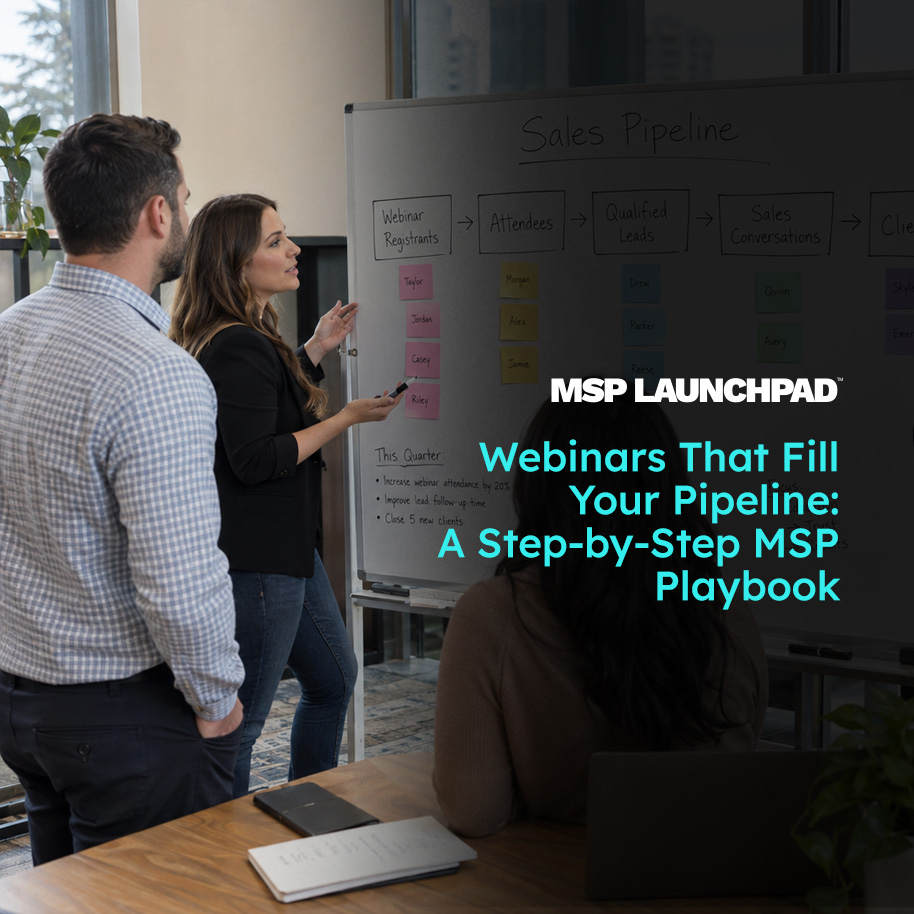


Getting MSP prospects to pay attention is becoming harder. Business owners are surrounded by cybersecurity warnings, IT offers, cold emails, LinkedIn messages, and sales calls, which means another generic pitch can easily disappear into the noise.
Webinar marketing gives MSPs a different way to start the conversation. Instead of asking prospects to book a sales call before they know much about your company, you can invite them to learn about a problem they already care about.
A useful webinar gives potential clients a reason to spend time with your team, hear your expertise, and understand the problems your services can solve. It can also create multiple marketing assets from one event, including emails, social posts, video clips, follow-up resources, and future blog content.
The key is building a repeatable system rather than hosting one event and hoping attendees turn into customers.
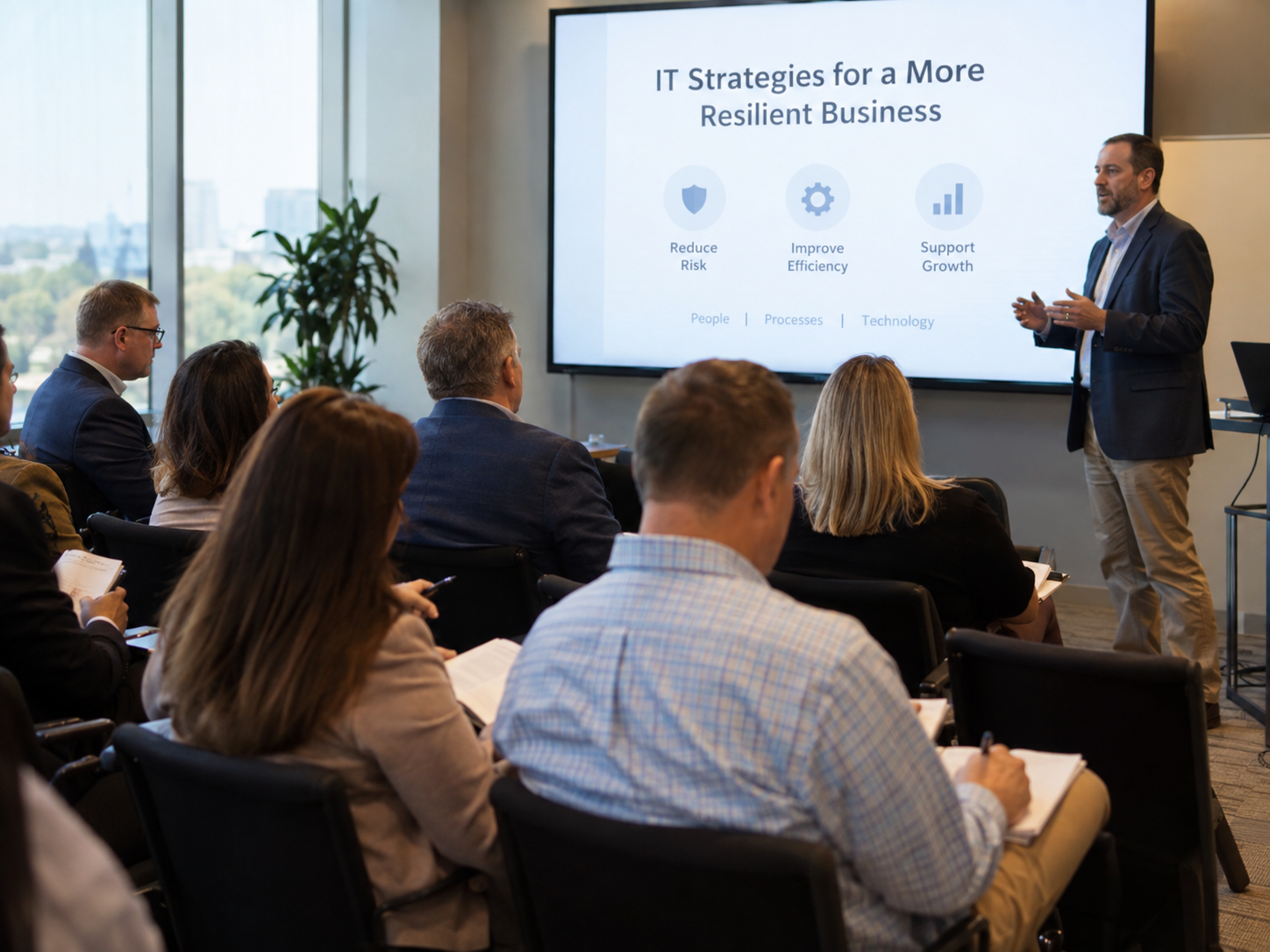
A webinar funnel starts with the right topic
The success of a webinar often depends on the topic before anything else.
Avoid choosing a subject simply because your MSP wants to talk about a particular service. Start with a problem your ideal clients are already thinking about.
A title such as “Our Managed Cybersecurity Services” sounds like a presentation about your company. A session around reducing cyber insurance risk, preparing for Microsoft 365 security threats, or building an incident response plan gives prospects a clearer reason to attend.
Your webinar funnel should begin with a topic that connects a real business problem to your expertise.
Look at the questions prospects ask during sales calls. Review common objections, support trends, security concerns, and recurring conversations with existing clients. Those topics are often more useful than brainstorming something purely for marketing.
Keep the audience focused as well. A webinar for healthcare practices can address very different concerns from one aimed at manufacturing firms or professional services businesses.
B2B webinars need a clear value proposition
B2B webinars compete for time on crowded calendars. Your invitation therefore needs to explain exactly what someone will gain from attending.
A strong event page should communicate the problem, what will be covered, and who the webinar is designed for. Avoid vague promises about learning “everything you need to know” about IT or cybersecurity.
Be specific.
If attendees will learn three steps for improving Microsoft 365 security, say so. If you are explaining what businesses need before renewing cyber insurance, make that clear. A prospect should understand the value of registering within seconds.
Keep the registration form short. Name, business email, company name, and perhaps one qualification question may be enough. Every extra field creates another reason for someone to leave without registering.

A lead generation webinar needs consistent promotion
A lead generation webinar cannot fill the pipeline if nobody knows it exists.
Promotion should begin well before the event and continue through multiple channels. Email existing prospects, previous leads, referral partners, and contacts who have shown interest in related services.
Create social posts that focus on the problem being discussed rather than repeatedly posting the same registration message. One post might highlight a common mistake. Another can share a useful statistic or question that will be addressed during the webinar.
Your sales team can also invite prospects directly when the topic matches an active conversation. A personal invitation often feels more relevant than a broad marketing email.
Partners can help expand your reach too. Vendors, local business organizations, industry groups, and complementary service providers may be willing to promote B2B webinars when the content is genuinely useful for their audience.
Use reminder emails as the event gets closer. Registrants are busy, so a confirmation alone is rarely enough.
Webinar marketing works better when education comes first
The fastest way to lose an audience is to turn the event into a long sales presentation.
People registered because they wanted useful information. Give them that first.
Spend most of the webinar explaining the problem, the risks involved, common mistakes, and practical steps businesses can take. Use examples that show what those issues look like in real situations.
You can still introduce your MSP and explain where your services fit, but the transition should feel natural. If the webinar discusses cybersecurity readiness, for example, your team can explain when a business may need an assessment or ongoing security support.
This positions the MSP as a knowledgeable resource without forcing a pitch into every section.
Leave time for questions as well. Live questions can reveal what prospects are concerned about and provide ideas for future content, webinars, and sales conversations.
A webinar funnel should continue after the event
The webinar is only one stage of the campaign.
Your webinar funnel should include follow-up for attendees and people who registered but could not join live. Send the recording, a useful resource, and a clear next step shortly after the event.
That next step should match the topic.
A cybersecurity webinar could lead to a security assessment. A session about IT planning might offer a technology strategy consultation. A Microsoft 365 event could lead to an environment review.
Avoid immediately sending every participant into an aggressive sales sequence. Some attendees will be ready to talk, while others are still researching.
Use engagement to help prioritize follow-up. Someone who attended the entire session, asked a question, and downloaded an additional resource may deserve faster personal outreach than someone who registered but never attended.
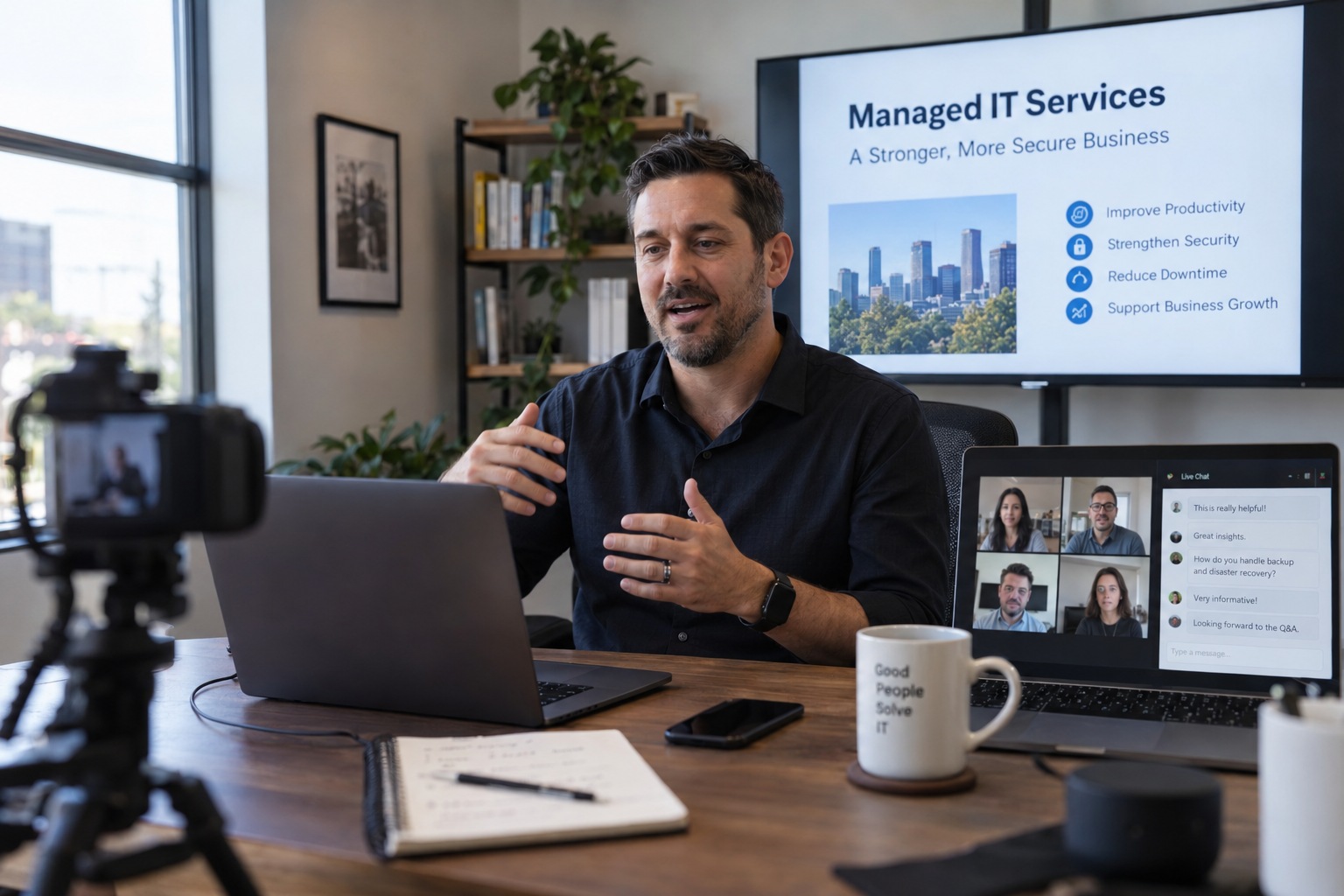
B2B webinars create content beyond the live session
One of the advantages of B2B webinars is the amount of content they can generate after the event.
The recording can become an on-demand webinar. Strong sections can be edited into short videos for LinkedIn, YouTube, or email campaigns. Questions from attendees can become FAQ content or individual blog posts.
A detailed answer from the presentation might become a standalone article. Key slides can be adapted into social graphics. The webinar transcript can also help your team identify phrases and concerns used by real prospects.
This gives your MSP more value from the work already invested in the event.
Instead of viewing each webinar as a single campaign, treat it as a source of material that can support marketing for weeks or months.
Lead generation webinar results need to be measured
Registration numbers are useful, but they do not tell the full story.
Track how many people registered, how many attended, and where the registrations came from. Then look further into the pipeline.
Measure how many attendees requested consultations, responded to follow-up, became qualified opportunities, received proposals, and eventually became clients.
You should also review which industries, company sizes, or roles showed the most interest. That information can help improve the topic and audience targeting for the next lead generation webinar.
Over time, these results show which webinar topics contribute to real MSP growth and which ones attract attention without creating meaningful sales opportunities.

Closing thoughts
Webinar marketing works best when it becomes a repeatable part of your MSP growth strategy.
Start with problems your target audience genuinely wants help solving. Create a focused webinar funnel, promote the event consistently, teach useful information, and make the follow-up relevant to the topic.
The goal is not simply to collect registrations. A good webinar creates opportunities for prospects to learn from your team before they are asked to make a buying decision.
MSP Launchpad helps MSPs build marketing systems that turn visibility into qualified leads. With the right topic, promotion, presentation, and follow-up process, webinars can become another dependable channel for filling your pipeline.
FAQs
What should an MSP webinar funnel include?
A webinar funnel should include a relevant topic, registration page, promotional campaign, reminder emails, the live or recorded webinar, and a structured follow-up sequence. Each stage should guide prospects naturally toward the next useful step.
Are B2B webinars effective for MSP lead generation?
B2B webinars can be effective because they give prospects time to understand an MSP's expertise before speaking with sales. They work best when the subject addresses a specific business problem and attracts the right audience.
What makes a good lead generation webinar topic?
A strong lead generation webinar topic focuses on an issue potential clients already care about. Cybersecurity, compliance, Microsoft 365, IT budgeting, cyber insurance, business continuity, and technology planning can all provide useful starting points.
How often should an MSP use webinar marketing?
There is no single schedule that fits every MSP. Monthly, quarterly, or campaign-based webinars can all work. Consistency matters more than frequency, so choose a schedule your team can support with strong promotion, useful content, and reliable follow-up.

%20(1).avif)
.svg)