.png)


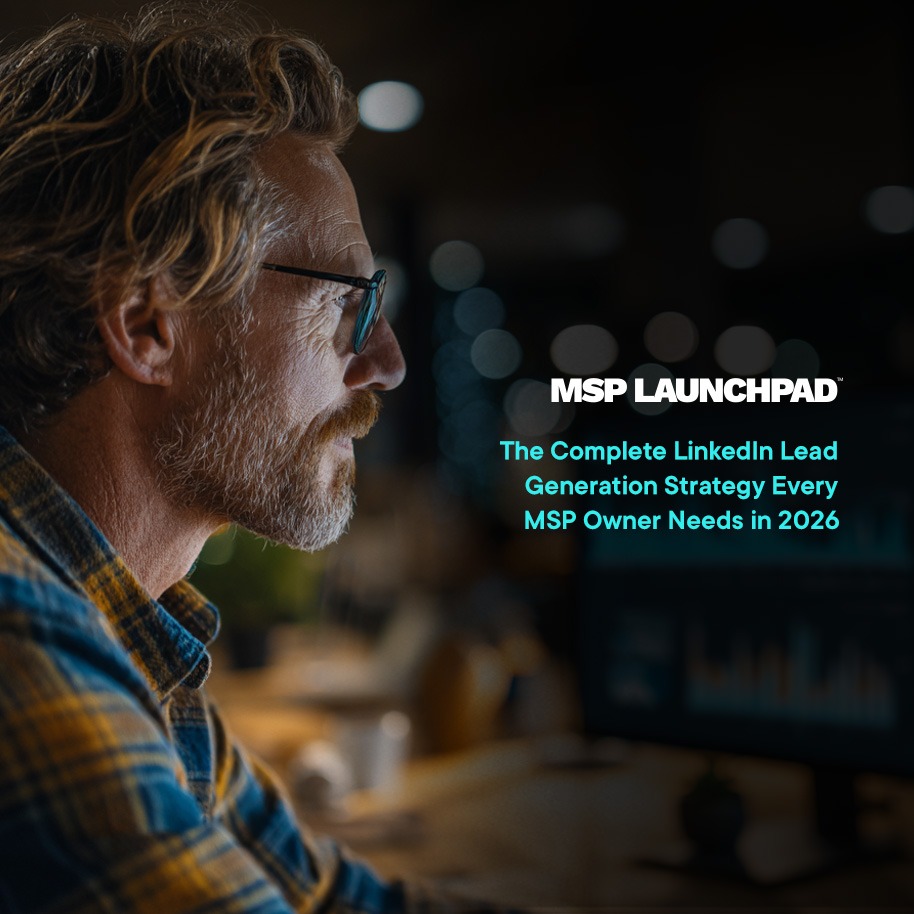


LinkedIn has become the most important platform for MSP owners looking to generate high-quality B2B leads. Cold calls are increasingly ignored, email inboxes are crowded, and paid ads are more competitive than ever. Meanwhile, decision-makers actively use LinkedIn to research vendors, consume insights, and build professional relationships.
In 2026, LinkedIn lead generation is no longer about sending mass connection requests with generic sales pitches. It is about building credibility, starting relevant conversations, and positioning your MSP as a trusted authority. When executed correctly, LinkedIn can deliver a steady pipeline of qualified prospects without the high costs of traditional marketing channels.
This guide breaks down a practical LinkedIn outreach strategy tailored specifically for MSP owners who want predictable growth through LinkedIn B2B sales.
Why LinkedIn lead generation is critical for MSP growth
MSP buyers are cautious. They rarely switch providers impulsively, and trust plays a major role in their decision-making process. LinkedIn lead generation works because it mirrors how modern buyers prefer to engage.
Instead of being interrupted by sales calls, prospects discover MSPs through content, conversations, and shared connections. LinkedIn allows MSP owners to stay visible throughout the buying journey, even when prospects are not actively searching.
For MSP owners, LinkedIn B2B sales also provide targeting precision. You can engage directly with business owners, CEOs, and IT decision-makers, rather than hoping the right person sees an ad or email.
Understanding how MSP buyers use LinkedIn in 2026
To succeed with LinkedIn lead generation, MSP owners must understand buyer behaviour. Most prospects do not respond to direct sales messages from strangers. Instead, they observe silently before engaging.
Buyers consume posts, read comments, check profiles, and evaluate credibility long before replying to outreach. Your LinkedIn presence acts as a digital first impression.
A strong LinkedIn outreach strategy accounts for this behaviour by focusing on visibility and value before pitching services. This approach aligns with how LinkedIn B2B sales actually happen today.
Optimising your LinkedIn profile for lead generation
Your profile is the foundation of LinkedIn lead generation. It is not an online resume. It is a landing page designed to convert profile views into conversations.
MSP owners should focus their headline and summary on the problems they solve, not their job title. Clearly communicate who you help, what challenges you address, and the outcomes you deliver.
Profiles that speak directly to business pain points perform far better in LinkedIn B2B sales than profiles focused on certifications or technical jargon.

Defining your ideal MSP prospect on LinkedIn
An effective LinkedIn outreach strategy starts with clarity. MSP owners need to define exactly who they want to connect with and why.
This includes company size, industry, job title, and common pain points. For example, targeting owners of 10–50 employee businesses produces different messaging than targeting IT managers in mid-sized firms.
Clear targeting improves response rates and keeps LinkedIn lead generation efforts focused and efficient.
Building a LinkedIn outreach strategy that works
A successful LinkedIn outreach strategy is structured, consistent, and human. It does not rely on automation alone or aggressive selling.
The goal of outreach is to start conversations, not close deals immediately. Initial messages should be short, personalised, and relevant to the prospect’s role or industry.
In LinkedIn B2B sales, conversations often begin with shared challenges rather than service offerings. MSP owners who lead with curiosity outperform those who lead with pitches.
Crafting connection requests that get accepted
Connection requests are the first step in LinkedIn lead generation. Generic messages are ignored. Personalised requests significantly increase acceptance rates.
Effective connection requests mention context, such as a shared industry, recent post, or mutual interest. They should avoid selling entirely.
A strong LinkedIn outreach strategy treats connection requests as introductions, not sales messages. Once the connection is accepted, trust-building begins.
Nurturing leads through content and engagement
Content plays a critical role in LinkedIn lead generation. Posting regularly allows MSP owners to stay visible without direct outreach.
Educational posts about cybersecurity, compliance, downtime risks, or productivity challenges position your MSP as knowledgeable and proactive. Commenting on other people’s posts also increases profile visibility.
In LinkedIn B2B sales, prospects often engage with content long before replying to messages. Consistent posting supports long-term lead nurturing.

Using direct messages without sounding salesy
Once connected, messaging should remain conversational. A good LinkedIn outreach strategy uses messages to explore challenges, not push services.
Open-ended questions work well, especially those related to business growth, security concerns, or IT frustrations. These questions invite dialogue rather than resistance.
For MSP owners, LinkedIn lead generation improves when messages feel helpful and relevant rather than transactional.
Aligning LinkedIn outreach with your sales process
LinkedIn outreach strategy should align with how your MSP actually sells. Not every conversation will be sales-ready, and that is expected.
Some leads will need months of nurturing. Others may be ready for a call quickly. Tracking conversations and engagement helps MSP owners prioritise follow-ups.
LinkedIn B2B sales work best when outreach, content, and sales conversations feel connected rather than disjointed.
Common mistakes MSPs make with LinkedIn lead generation
One common mistake is trying to scale too quickly. Sending hundreds of messages without personalisation damages credibility and reduces response rates.
Another issue is inconsistent activity. LinkedIn lead generation requires regular engagement to remain effective. Sporadic posting or outreach limits results.
Some MSPs also fail to track outcomes. Without measuring conversations, calls booked, and deals influenced, it is difficult to refine a LinkedIn outreach strategy.

Leveraging LinkedIn analytics for better results
LinkedIn provides useful insights into profile views, post engagement, and connection growth. These metrics help MSP owners understand what resonates.
Monitoring which posts attract the most attention can guide future content topics. Tracking response rates helps refine messaging.
Data-driven optimisation improves LinkedIn lead generation over time and supports more predictable LinkedIn B2B sales outcomes.
Integrating LinkedIn lead generation with other channels
LinkedIn should not operate in isolation. It works best when integrated with email marketing, webinars, and CRM systems.
For example, LinkedIn conversations can transition into email follow-ups or booked calls. Content shared on LinkedIn can support other marketing efforts.
A cohesive strategy ensures the LinkedIn outreach strategy contributes directly to pipeline growth rather than vanity metrics.
Scaling LinkedIn lead generation as an MSP grows
As MSPs grow, LinkedIn lead generation needs structure. Documented processes, templates, and tracking systems become essential.
Some MSP owners delegate outreach while maintaining personal visibility through content. Others focus on strategic conversations while marketing teams handle engagement.
Scaling LinkedIn B2B sales requires a balance between automation and authenticity.

What LinkedIn lead generation will look like in 2026
In 2026, LinkedIn will continue prioritising meaningful engagement over volume. Personal branding, thoughtful content, and authentic conversations will matter more than ever.
AI tools may assist with research and scheduling, but human connection will remain central to LinkedIn B2B sales. MSP owners who invest in trust-building will outperform those chasing shortcuts.
LinkedIn lead generation will reward consistency, relevance, and relationship-driven selling.
Final thoughts on LinkedIn lead generation for MSP owners
LinkedIn lead generation is one of the most effective growth channels available to MSP owners in 2026. When combined with a thoughtful LinkedIn outreach strategy, it creates predictable, high-quality conversations with ideal prospects.
Success does not come from scripts or spam. It comes from understanding buyers, delivering value, and showing up consistently. For MSP owners willing to play the long game, LinkedIn B2B sales can become a sustainable and scalable revenue engine.
FAQs
What is LinkedIn lead generation, and why is it effective for MSPs?
LinkedIn lead generation uses the platform to connect with and nurture business decision-makers. It is effective for MSPs because buyers actively research vendors on LinkedIn.
How does a LinkedIn outreach strategy differ from cold outreach?
A LinkedIn outreach strategy focuses on relationship-building through content and conversation, while cold outreach relies on unsolicited sales messages.
How long does it take to see results from LinkedIn B2B sales?
Most MSP owners see early engagement within weeks, but consistent LinkedIn B2B sales results typically build over three to six months.
Should MSP owners post content or focus only on messaging?
Both are important. Content builds credibility and visibility, while messaging starts direct conversations that support LinkedIn lead generation.
Can LinkedIn lead generation replace other marketing channels?
LinkedIn lead generation works best alongside other channels such as email and events. It should be part of a broader MSP marketing strategy, not the only tactic.

%20(1).avif)
.svg)