.png)




Most MSP websites get traffic. Business owners, operations managers, and IT decision-makers land on service pages, read a blog or two, then leave without ever filling out a form. They were interested, but not ready. For many MSPs, this is where potential revenue quietly disappears.
This is exactly where LinkedIn advertising changes the game. Instead of hoping visitors come back on their own, MSPs can stay in front of the right people after they leave the website. With the right strategy, LinkedIn retargeting ads turn passive interest into active sales conversations.
Remarketing ads are not about chasing cold prospects. They are about re-engaging warm audiences who already know your brand. When executed correctly, LinkedIn retargeting ads help MSPs shorten sales cycles, increase trust, and focus sales efforts on prospects who are already paying attention.
This guide explains how MSPs can use LinkedIn advertising and remarketing ads to turn website visitors into qualified leads that actually convert.
Why LinkedIn advertising works so well for MSPs
MSPs sell trust-based, high-consideration services. Decisions are rarely made on the first visit to a website. Prospects research, comparing options, and often involves multiple stakeholders, before reaching out.
LinkedIn advertising is uniquely effective in this environment because it targets professionals in a business mindset. Unlike other platforms, LinkedIn allows MSPs to reach decision-makers based on job title, company size, industry, and seniority.
When combined with remarketing ads, LinkedIn advertising becomes even more powerful. Instead of introducing your MSP to strangers, you are reinforcing your message with people who already shown interest.
What LinkedIn retargeting ads actually are
LinkedIn retargeting ads are campaigns that target users who have previously interacted with your brand. This can include visiting your website, viewing a specific service page, or engaging with content.
For MSPs, this means you can show ads only to people who already explored managed IT services, cybersecurity, cloud support, or compliance offerings. These users are far more likely to convert than cold audiences.
Remarketing ads work by keeping your MSP visible during the decision-making process rather than relying on a single touchpoint.
Why most MSPs underuse remarketing ads
Many MSPs either do not use retargeting at all or treat it as an afterthought. One common mistake is running only awareness ads and expecting immediate conversions.
Another issue is poor segmentation. Showing the same generic ad to every visitor ignores what that person was actually interested in.
Without a clear strategy, LinkedIn retargeting ads become background noise instead of a driver of sales conversations.
Building the foundation for LinkedIn retargeting ads
Before launching any LinkedIn advertising campaign, MSPs need the right groundwork in place.
Installing tracking correctly
Everything starts with the LinkedIn Insight Tag. This tracking code allows LinkedIn to identify website visitors and build retargeting audiences.
Without proper tracking, remarketing ads cannot function. MSPs should confirm the tag is installed sitewide and firing correctly before running campaigns.
Defining meaningful audiences
Not all website visitors are equal. A strong retargeting strategy segments audiences based on intent.
Examples include visitors to managed IT service pages, cybersecurity solution pages, pricing pages, or contact pages. Each group represents a different stage of buyer readiness.
How LinkedIn retargeting ads support the MSP buyer journey
Most MSP buyers move through several stages before contacting sales. LinkedIn retargeting ads help guide prospects through this journey instead of pushing for an immediate close.
Early-stage ads focus on education and credibility. Mid-stage ads address specific pain points and solutions. Late-stage ads encourage direct conversations.
This progression builds familiarity and trust, which is essential for MSP sales.
Creating remarketing ads that MSP prospects actually engage with
Ad creative matters more in retargeting than in cold outreach. Your audience already knows who you are, so your message must add value rather than repeat introductions.
Address real MSP buying concerns
Effective LinkedIn advertising speaks directly to business risks and outcomes. Downtime, cybersecurity threats, compliance pressure, and lack of internal IT expertise are common triggers.
Ads that acknowledge these challenges feel relevant and timely rather than promotional.
Match ads to pages visited
Someone who viewed a cybersecurity page should not see a generic managed IT ad. Message alignment reinforces relevance and improves engagement.
This level of targeting is what separates effective remarketing ads from wasted impressions.

Choosing the right ad formats for LinkedIn retargeting
LinkedIn offers several ad formats, each suited to different stages of the funnel.
Single-image ads work well for simple messages and strong calls to action. Video ads are effective for explaining concepts and building trust. Document ads allow MSPs to share guides or checklists without forcing a hard sell.
For remarketing ads, clarity is more important than creativity. The goal is to re-engage, not entertain.
Budgeting LinkedIn advertising for MSP retargeting
One of the advantages of LinkedIn retargeting ads is efficiency. Because audiences are smaller and more qualified, budgets do not need to be massive.
MSPs can start with modest daily budgets and scale as engagement improves. Retargeting often delivers better return on ad spend than cold campaigns because it focuses on warmer prospects.
Consistent exposure over time is more effective than short bursts of high spend.
Turning clicks into sales conversations
The ultimate goal of LinkedIn advertising is not clicks. It is conversations.
Use landing pages built for retargeting
Sending retargeted traffic to a generic homepage wastes an opportunity. Landing pages should acknowledge prior interest and guide visitors toward the next step.
Clear messaging, concise copy, and strong calls to action help convert warm visitors into booked calls.
Reduce friction in the conversion process
Long forms and vague offers slow momentum. Simple actions like booking a strategy call or requesting an assessment align well with retargeting audiences who are already familiar with your MSP.

Measuring success beyond clicks
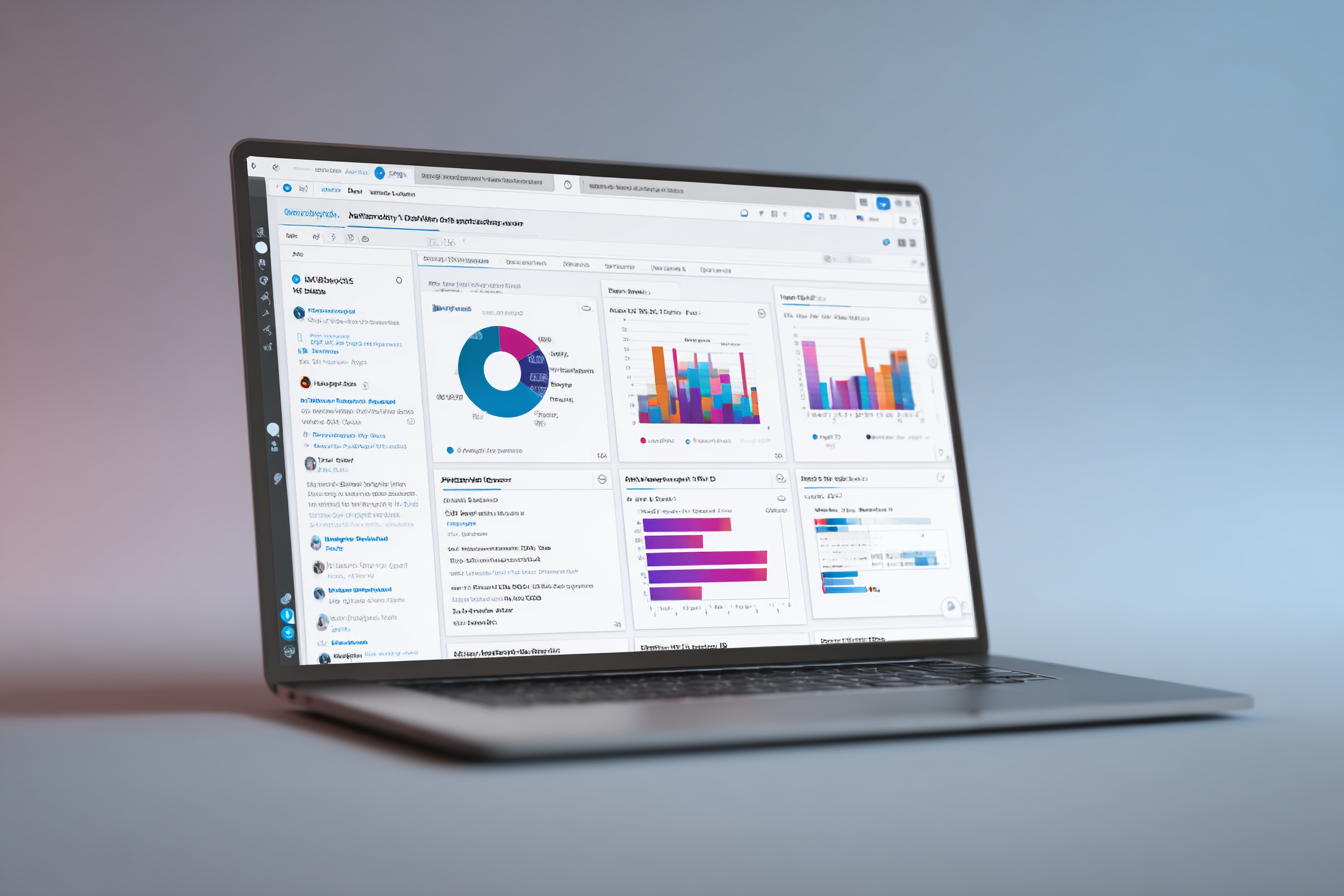
Click-through rate alone does not tell the full story. MSPs should evaluate how remarketing ads influence the pipeline and revenue.
Metrics such as meeting bookings, sales-qualified leads, and deal velocity provide better insight into campaign effectiveness.
Tracking how retargeted prospects move through the sales process helps refine messaging and audience segmentation over time.
Common mistakes MSPs make with LinkedIn retargeting ads
One mistake is retargeting everyone for too long. Ads lose effectiveness when audiences see the same message repeatedly.
Another issue is skipping creative refreshes. Even warm audiences need variation to stay engaged.
Finally, some MSPs expect immediate conversions. Retargeting supports longer buying cycles and works best when viewed as a nurture channel rather than a direct response shortcut.
How LinkedIn retargeting ads fit into a full MSP marketing system
Remarketing ads are most effective when combined with strong inbound content, outbound sales, and fast follow-up.
When a prospect sees your ads, reads your content, and receives timely outreach, trust builds faster. LinkedIn advertising amplifies existing marketing efforts rather than replacing them.
For MSPs focused on growth, this integrated approach creates consistency across every touchpoint.
Why this approach works for MSPs specifically
MSPs do not need thousands of leads. They need the right conversations with the right businesses.
LinkedIn retargeting ads focus attention on prospects who already raised their hand by visiting your website. This makes sales conversations warmer, shorter, and more productive.
By staying visible during the decision-making window, MSPs increase their chances of being the provider prospects remember when they are ready to talk.
Final thoughts
Website traffic alone does not grow an MSP. What matters is what happens after visitors leave.
LinkedIn advertising, when paired with smart remarketing ads, allows MSPs to turn lost opportunities into ongoing conversations. LinkedIn retargeting ads keep your brand in front of decision-makers at the exact moment they are weighing options.
For MSPs tired of chasing cold leads, retargeting is one of the most practical ways to improve marketing efficiency and sales outcomes. It is not about more traffic. It is about making the traffic you already have work harder.
FAQs
What are LinkedIn retargeting ads for MSPs?
LinkedIn retargeting ads are campaigns that target people who previously visited an MSP’s website or engaged with content. They help turn warm interest into sales conversations.
How do remarketing ads improve MSP lead quality?
Remarketing ads focus on users who already showed intent, making them more likely to convert. This improves lead quality compared to cold LinkedIn advertising.
Is LinkedIn advertising expensive for MSPs?
LinkedIn advertising can be cost-effective when used for retargeting. Smaller, high-intent audiences often deliver better results with lower overall spend.
How long should MSPs run LinkedIn retargeting ads?
LinkedIn retargeting ads should run continuously with refreshed creative. Most MSPs see the best results with consistent exposure over several weeks or months.
Can LinkedIn retargeting ads work for small MSPs?
Yes. Small MSPs often benefit the most because retargeting maximises existing website traffic and focuses spending on the most qualified prospects.

%20(1).avif)
.svg)